Placement runs from a hidden spot behind the ear to a full sleeve that redefines your whole arm, and the deciding factor is how much daily visibility you can live with.
A behind-the-ear tattoo stays secret through any meeting, while a face tattoo speaks before you do. The inner bicep measures a tender 4-5, but move toward the elbow and that number jumps to 7-8.
1. Chest Tattoos
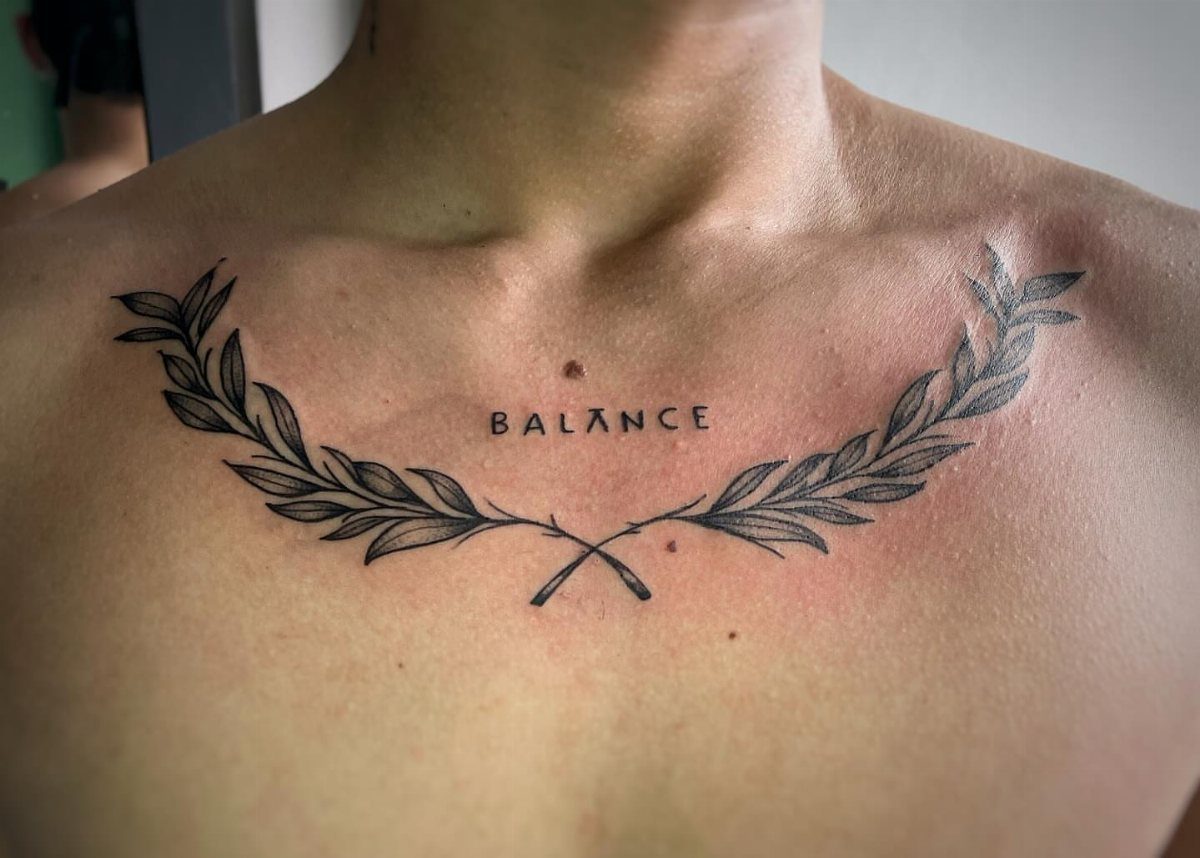
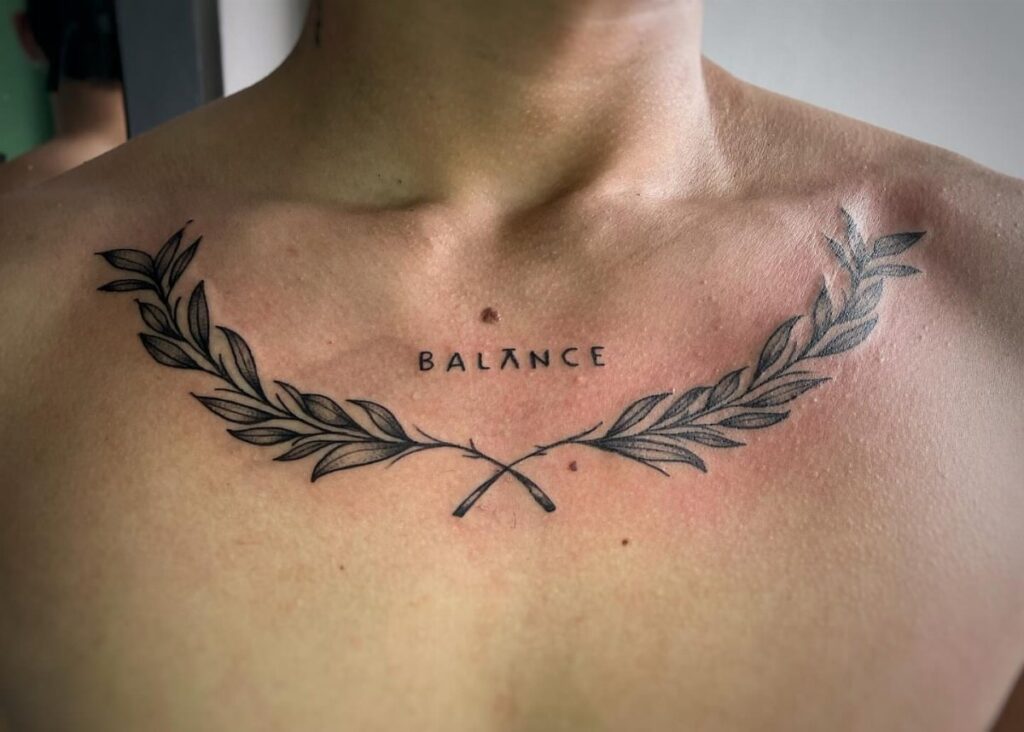
A symmetrical design sits dead center here, framed by the collarbones and the muscle below.
The skin is thin over bone, and the nerve density near the center makes this one of the more painful placements, though the pectoral muscle itself offers some cushion off to the sides.
Shave or wax the area before your session; hair grows back and starts obscuring the lines within weeks. A chest piece follows the curve of the muscle, so animal faces and larger symbols sit naturally without distortion.
For women, florals or lettering work well. A chest piece reads as intentional and weighty, which is why words like "BALANCE" land here rather than on a wrist.
2. Sternum Tattoos
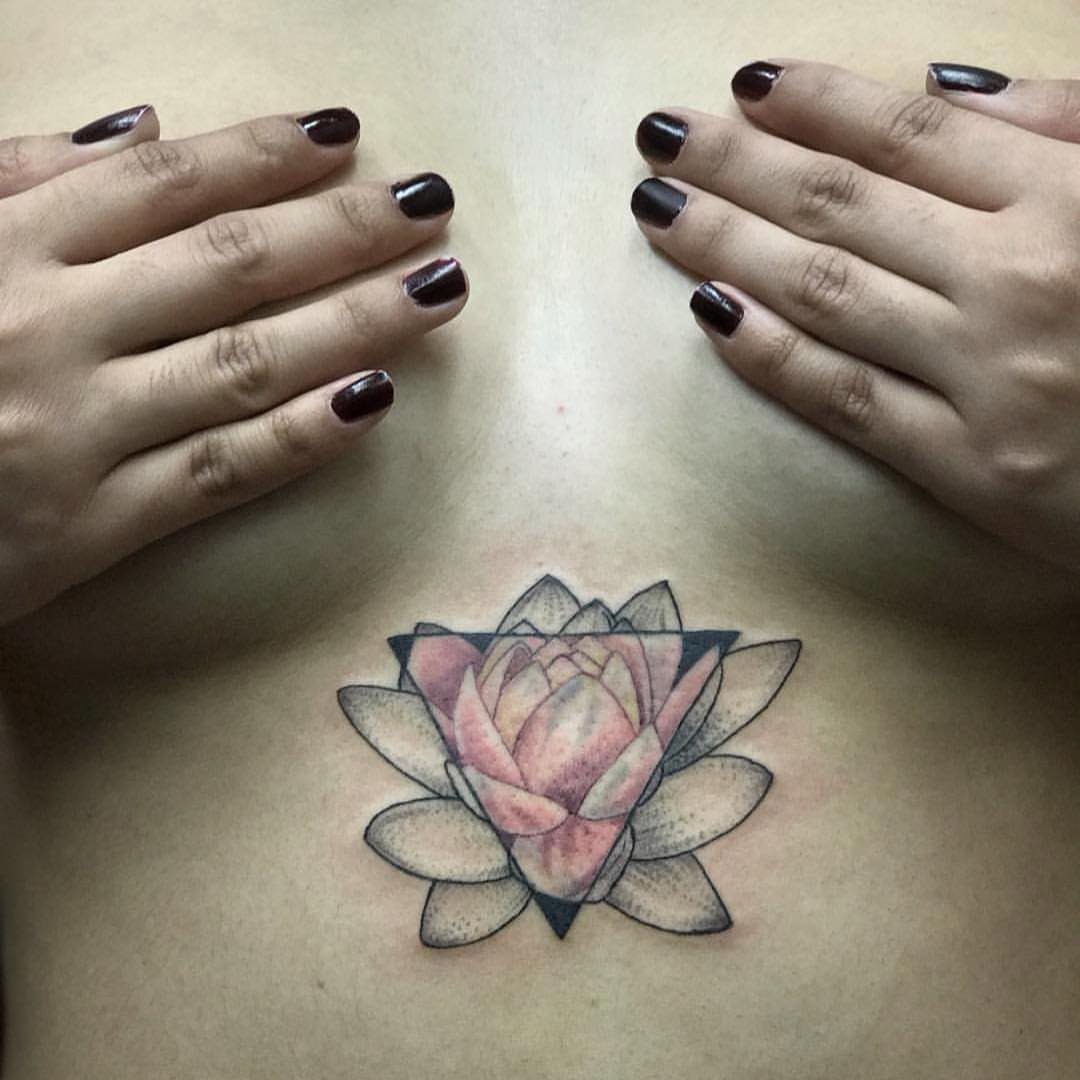
The bone lies close to the surface, so expect sharp pain, and the area sits near enough to the nipple that the nerve endings can make sessions short.
The sternum runs narrow and tapers quickly; a small or medium design keeps the proportions clean. Floral motifs dominate here for a reason: they follow the natural vertical line of the sternum without fighting it.
Keep the design centered, and it will read as jewelry you never remove.
3. Ankle Tattoos
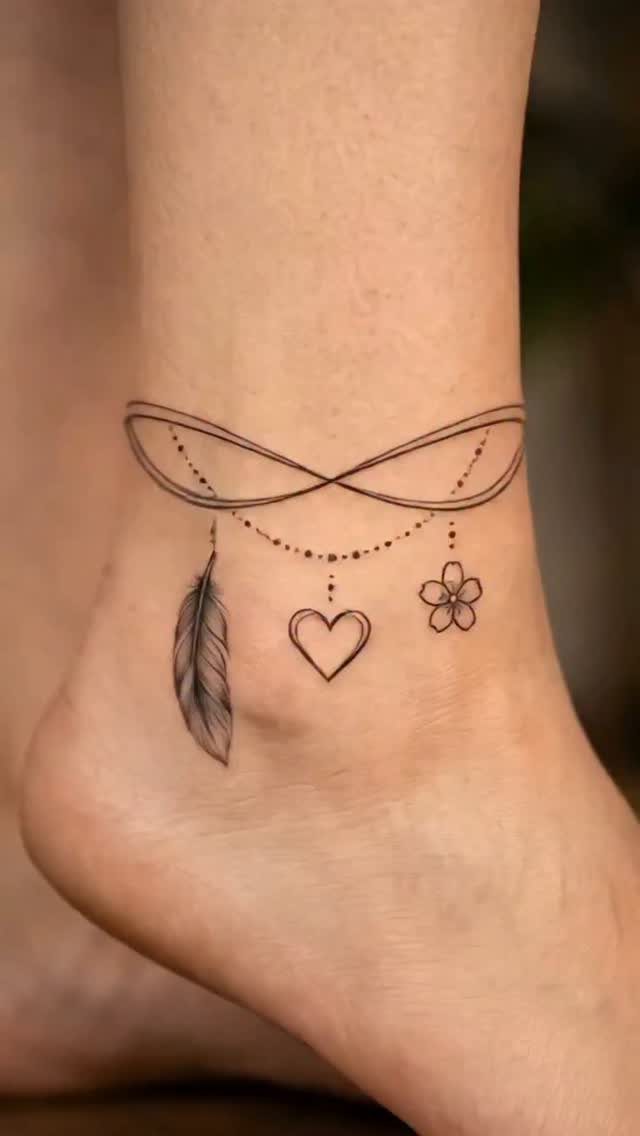
First-timers often start here because the tattoo can stay invisible or become visible at will. An ankle bracelet tattoo can trace the natural loop of the bone itself, turning the shape into part of the design.
Flowers, short quotes, and small figures all fit, though fine lines soften faster here than they would on the upper arm. The skin is thin and the bone close, so the pain is concentrated and specific rather than diffuse.
A design that trails upward toward the calf gives you more room to work with and heals with less friction from shoes.
4. Neck Tattoos
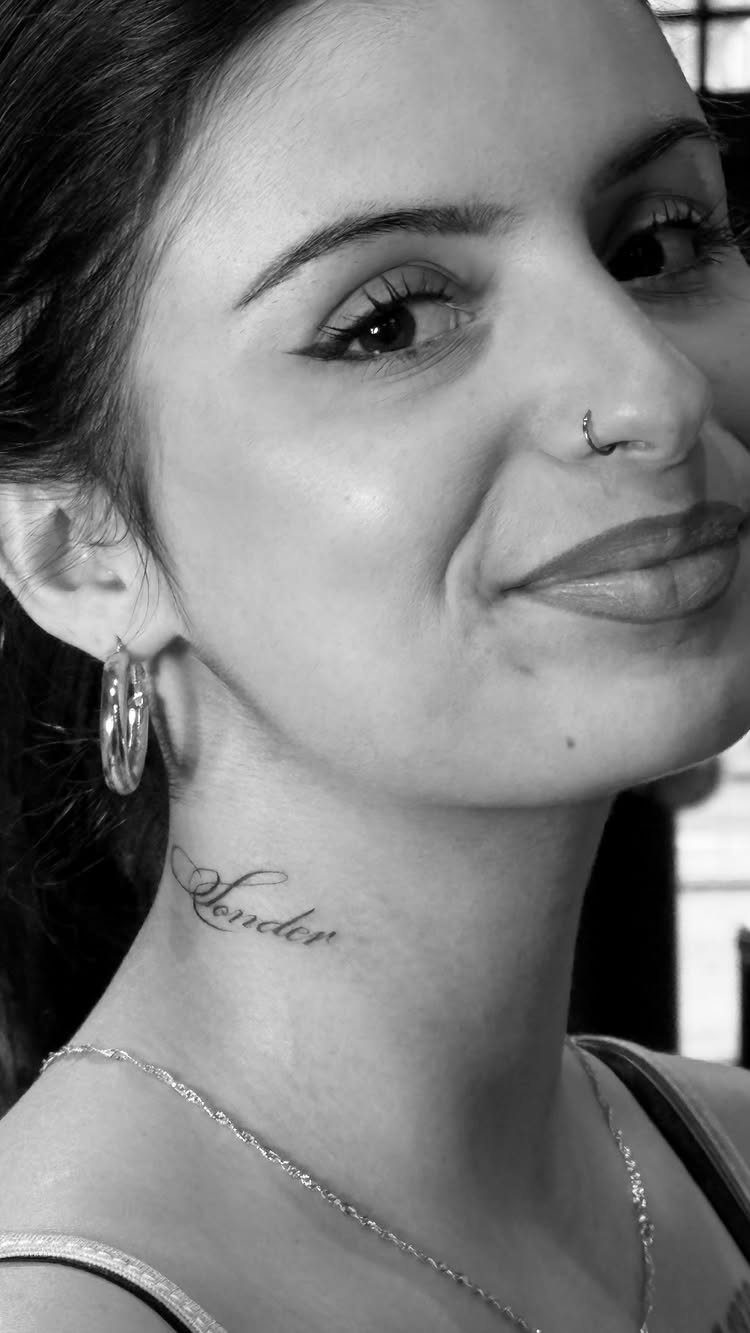
The script reading "Sonder" sits where a collar or long hair could hide it, though the front and sides of the neck are harder to conceal than the nape.
Employers in conservative fields still notice, so budget for cover-up makeup or consider whether your current job allows visible ink.
Over the Adam’s apple, the artist has to stretch the skin tight while working, which many people feel more than the needle. A small piece at the back, hidden by hair, carries far fewer consequences than a front-facing statement.
Bold or delicate both work; the visibility, not the size, is the choice that matters.
5. Thigh Tattoos
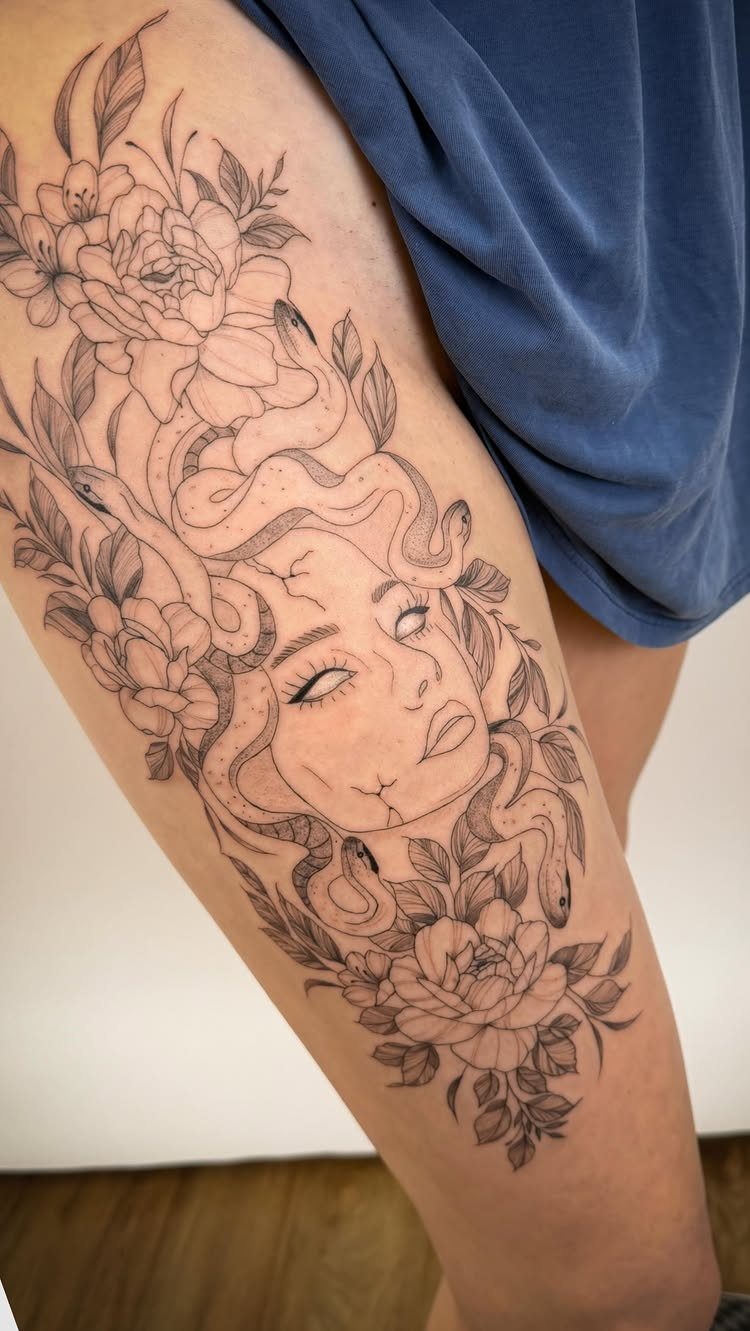
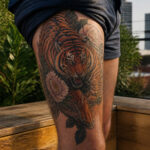
The outer thigh offers a flat, broad surface with enough muscle cushion underneath to make long sessions tolerable.
Floral designs and snakes both suit this placement because they can wrap toward the hip or trail down toward the knee without looking cramped.
The area covers easily with shorts or a skirt for work, and the skin heals well here, tight and resilient. Lower on the leg, the calf offers a similar vertical frame with even less pain.
Either spot works for building a larger collection or for one massive, standalone piece.
6. Behind the Ear Tattoos
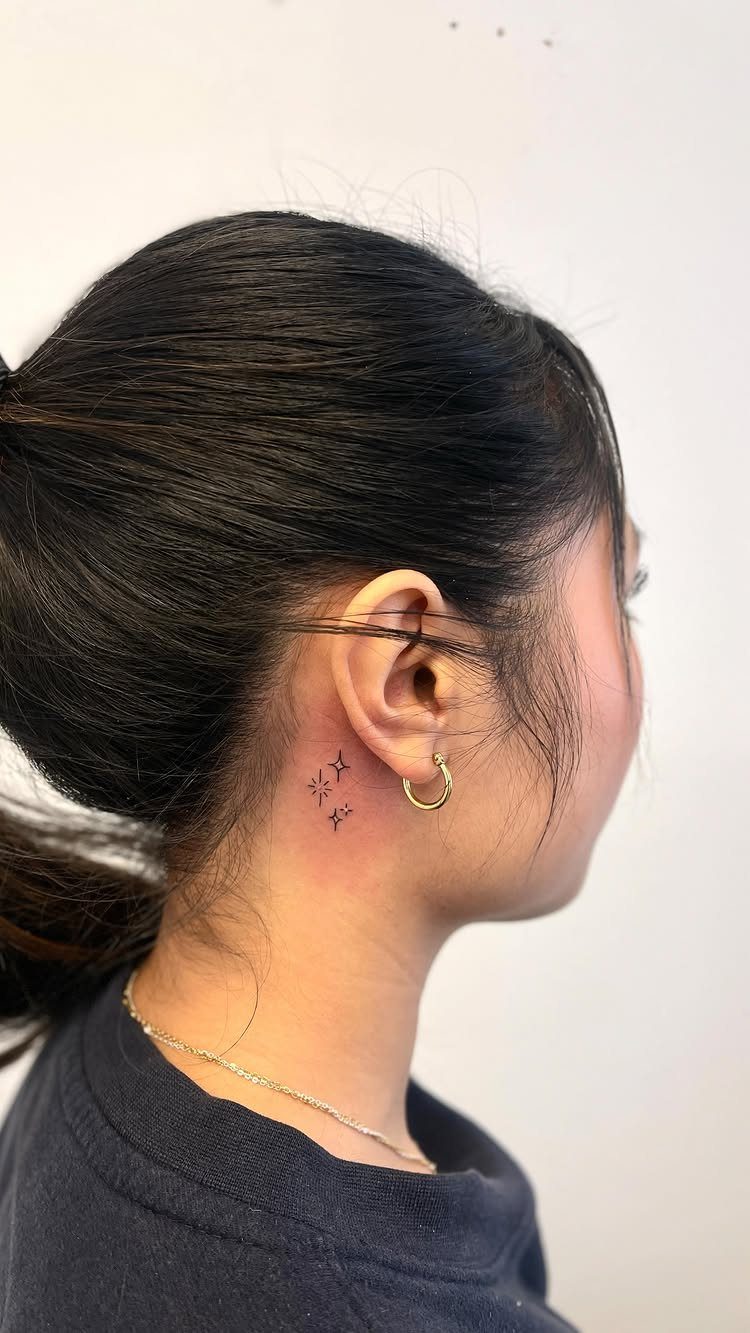
Four tiny stars sit where a ponytail reveals them and a down hairstyle hides them completely.
The skin behind the ear is among the thinnest on the body, and the vibration of the machine against skull bone makes this spot sharper than it looks.
Most designs are small enough to finish in under an hour, which helps. Delicate work dominates here because heavy shading would spread on such thin skin.
The flexibility matters most: you choose who sees it, when. For someone testing whether tattoo culture fits their life, this is a low-stakes entry point that still feels personal.
7. Hand and Finger Tattoos
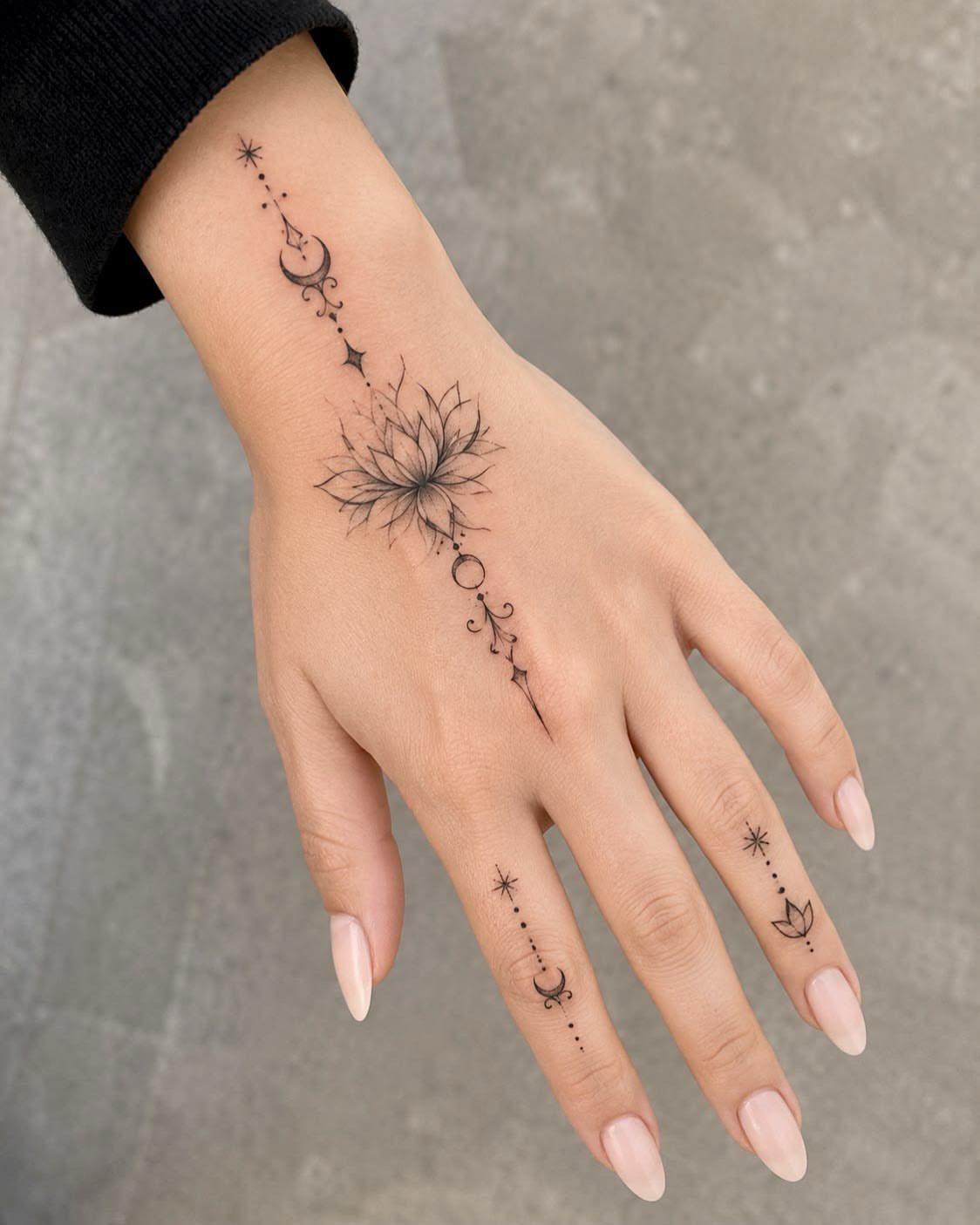
Hand and finger tattoos announce themselves the moment you reach for a coffee or hand someone your phone. Bold symbols read instantly from across a room: a lotus, a crescent, a single word that names something you refuse to forget.
You will be back in the chair more often than with most spots. Frequent washing and constant movement mean ink here fades faster than anywhere else on the body.
Tiny script or minimalist shapes hold up best; detailed work blurs into a smudge within a couple of years. Healing is tricky too, especially if your job requires gloves.
I’d steer someone toward the back of the hand rather than the fingers proper.
Thin skin stretched tight over bone and joints makes both areas sharp, though hand placement gives the design more room to breathe and slightly better odds of staying legible.
8. Calf Tattoos
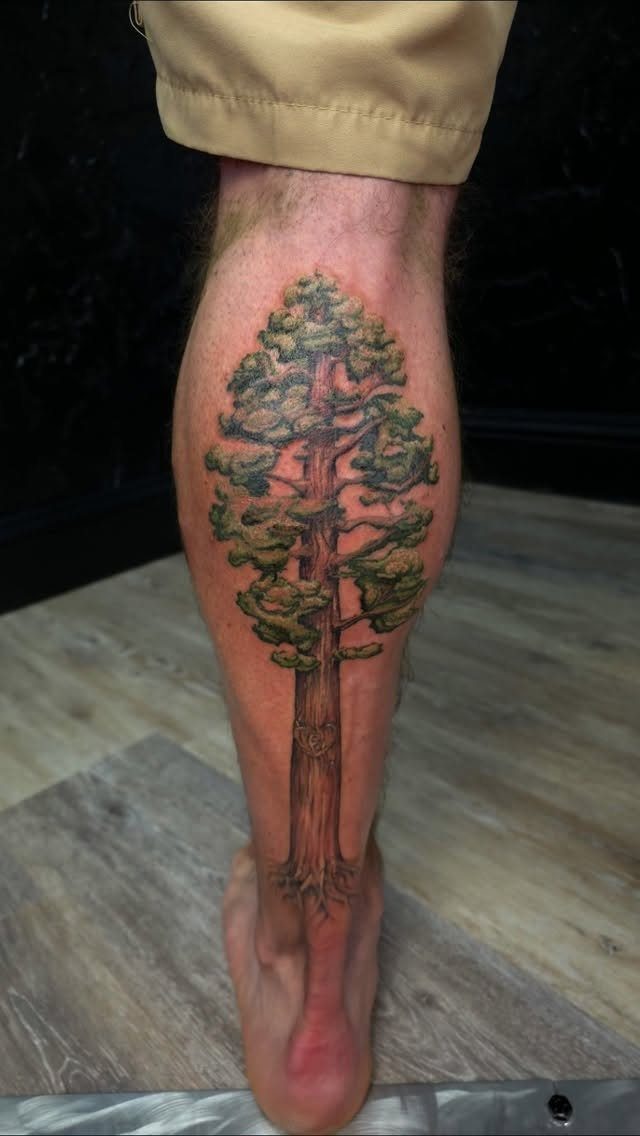
A calf runs straight up and down like a column waiting for its inscription. Redwood trees, serpents, swords, anything vertical and narrative finds its natural home here, rooted at the ankle and climbing toward the knee.
The skin stays tight and resilient, which helps healing and keeps lines crisp over time.
You can hide the work under pants for conservative offices or show it off with shorts; that flexibility matters for anyone whose weekend self differs from their weekday one.
Large pieces fit without crowding, yet the area breaks into smaller patches just as easily.
Pain sits on the milder side. For someone building a bigger story across their lower body, the calf works as an anchor point or a standalone statement.
9. Knee Tattoos
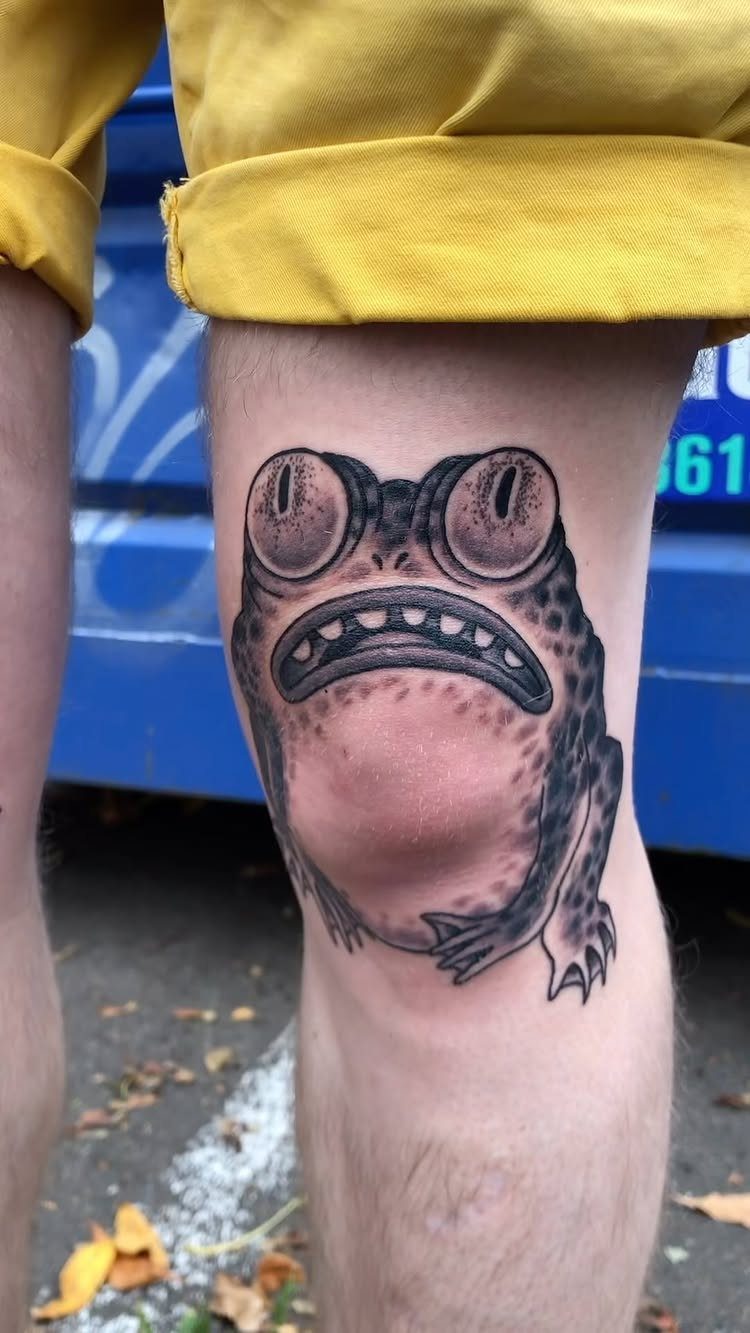
Knees hurt. The cap sits right under thin skin, bone and nerve endings barely buffered, so anyone considering this spot should expect a sharp, grinding session that ranks among the more memorable ones.
The knee flexes and catches light in ways that keep a design alive.
A frog wrapping its legs around the joint, an eye that blinks when you walk, a geometric mandala that distorts and resolves with each step: the knee turns a tattoo into kinetic art. Designs here demand planning.
The artist must account for how the skin stretches and compresses, or the image warps into something unintended.
This suits someone who has already been tattooed elsewhere and knows their pain tolerance, who wants a single bold piece rather than a collection, and who does not mind the occasional wince when someone notices.
10. Shoulder Tattoos
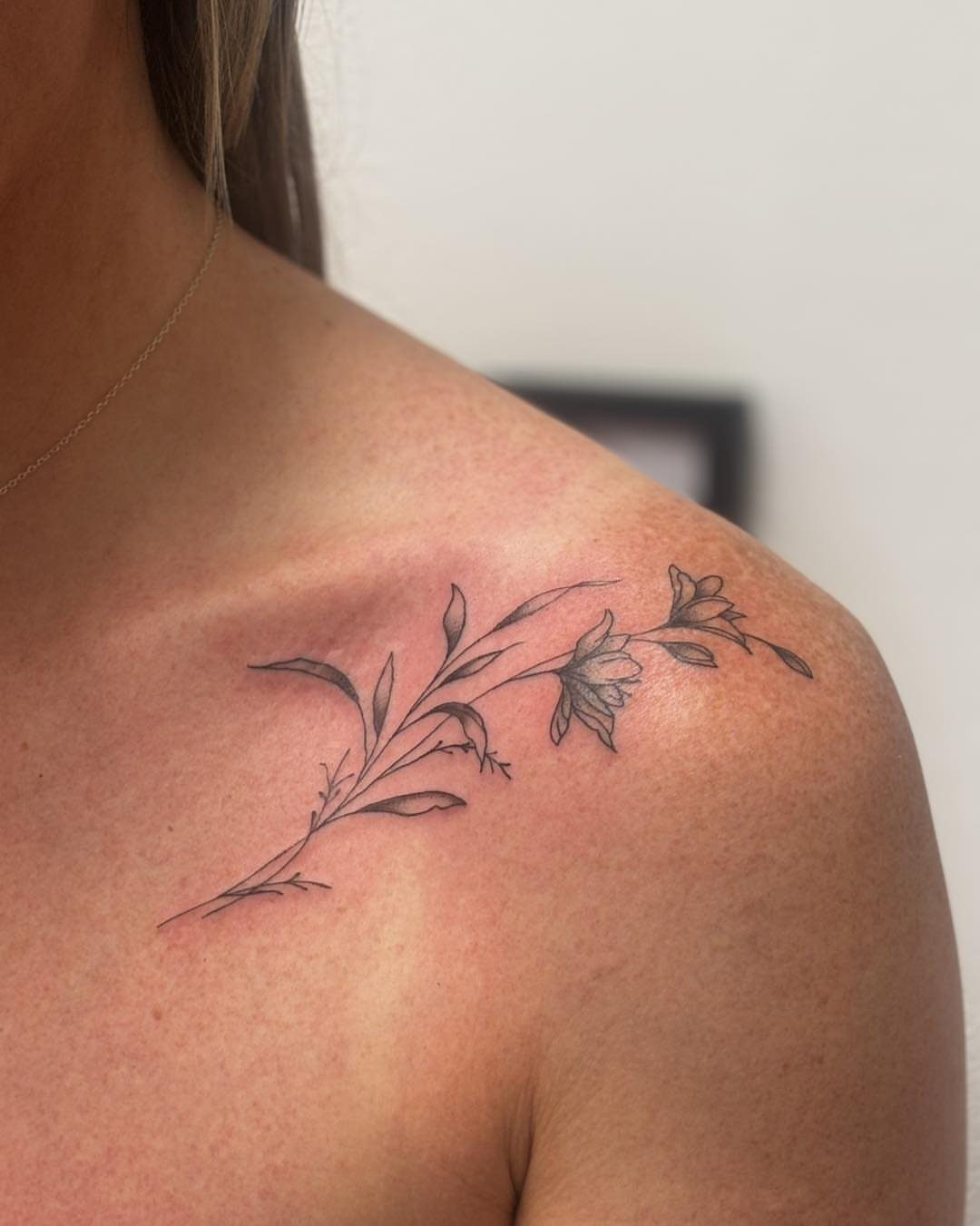
The shoulder rounds outward like a shield, and that curve flatters anything symmetrical: a mandala radiating from the joint, a floral branch trailing toward the collarbone, wings that seem to fold and unfold as you move.
Muscle definition helps, but the placement works regardless of build. A full cap piece draws the eye more than a small shoulder-blade tattoo ever could; the curve of the muscle invites a design with scale.
What you choose here can stay isolated or extend down the arm, across the chest, up the neck, building into something larger years later.
For someone who wants visibility without the constant exposure of hands or neck, the shoulder offers control. Sleeveless, it shows; suited up, it disappears.
11. Inner Arm Tattoos
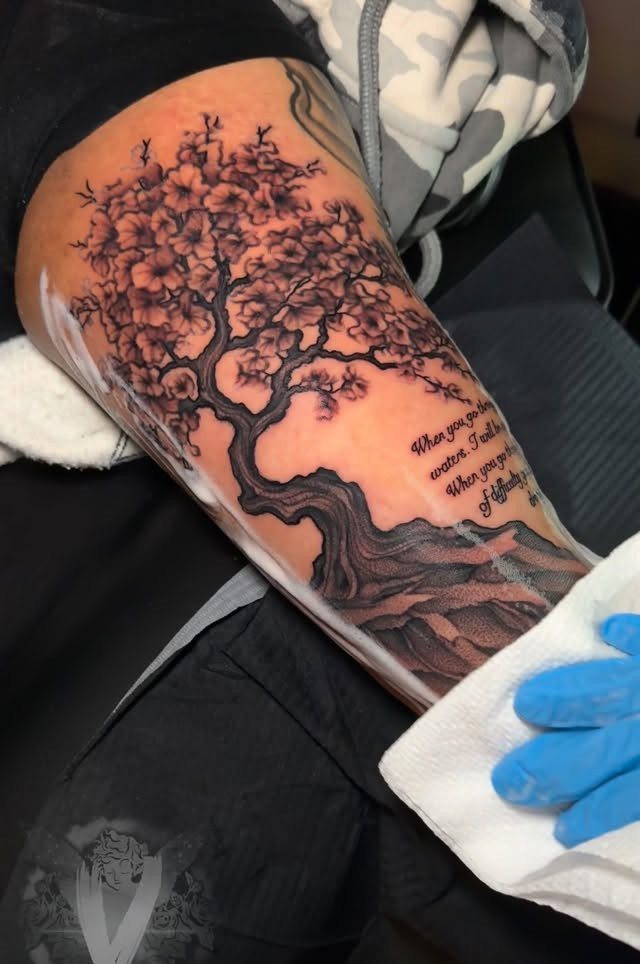
The inner arm keeps a secret until you roll up your sleeve.
That half-revealed quality suits quotes you want to share selectively, portraits meant for someone close enough to stand beside you, botanical work that frames the bicep like a pressed specimen.
Pain varies sharply across this territory. Soft skin and nerve density make the inner bicep tender but manageable.
Move toward the elbow and the number jumps to 7-8, bone pressing through minimal padding, skin that stretches and snaps over the joint.
Designs age well on the flat inner surface, lines staying truer than on joints or hands. For someone in a professional setting who still wants substantial work, this is the compromise that does not feel like one.
12. Hidden and Discreet Spots
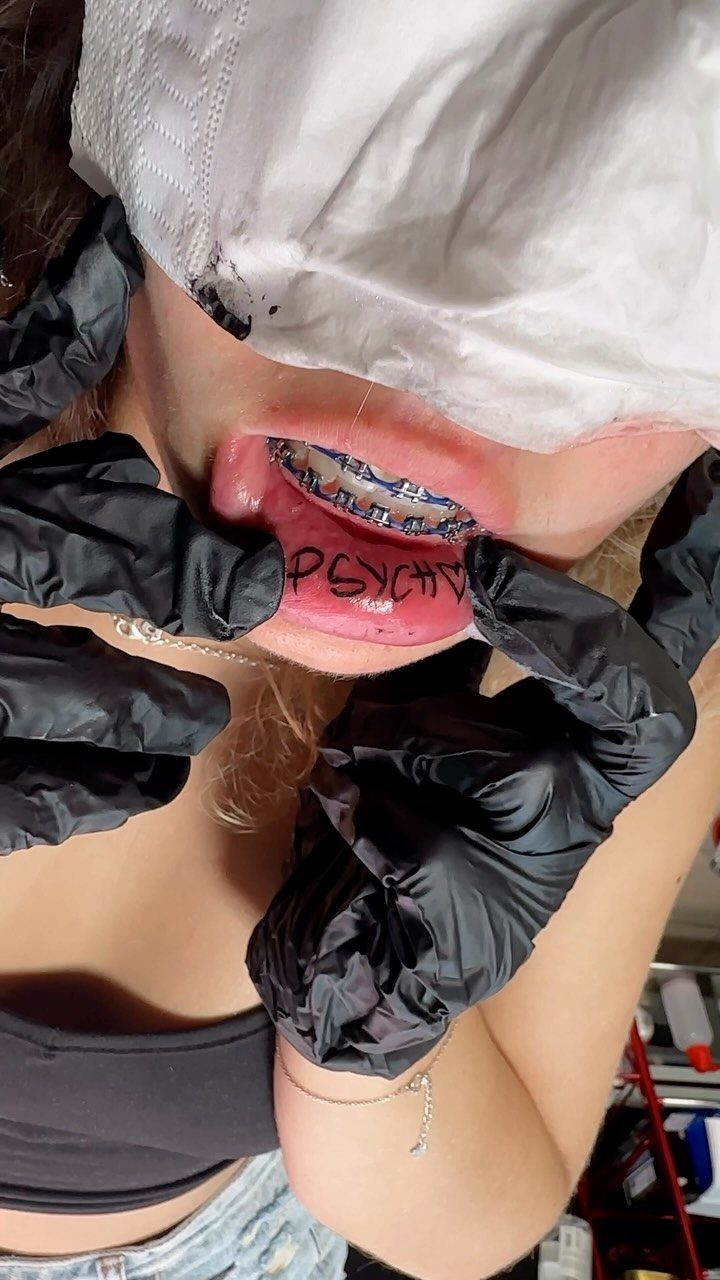
Some ink is only for the owner.
The inner lip, the side of a finger, the rib cage tucked under a shirt, the hip line above a waistband: these placements let you carry a word or symbol through a meeting, a family dinner, a job interview, without anyone knowing.
The lip in particular offers near-total secrecy and a jolt of surprise on the rare occasions it shows. It also fades fast, the mouth’s constant moisture and cell turnover erasing lines within months or a couple of years at most.
Finger sides share that fragility, friction rubbing ink away.
For strict professional dress codes or simply keeping something deeply personal, the upper arm, back, thigh, or rib cage conceal under standard clothing with no special effort.
Choose based on how often you want to see it yourself, and how much maintenance you will tolerate to keep it there.
13. Full Sleeve Tattoos
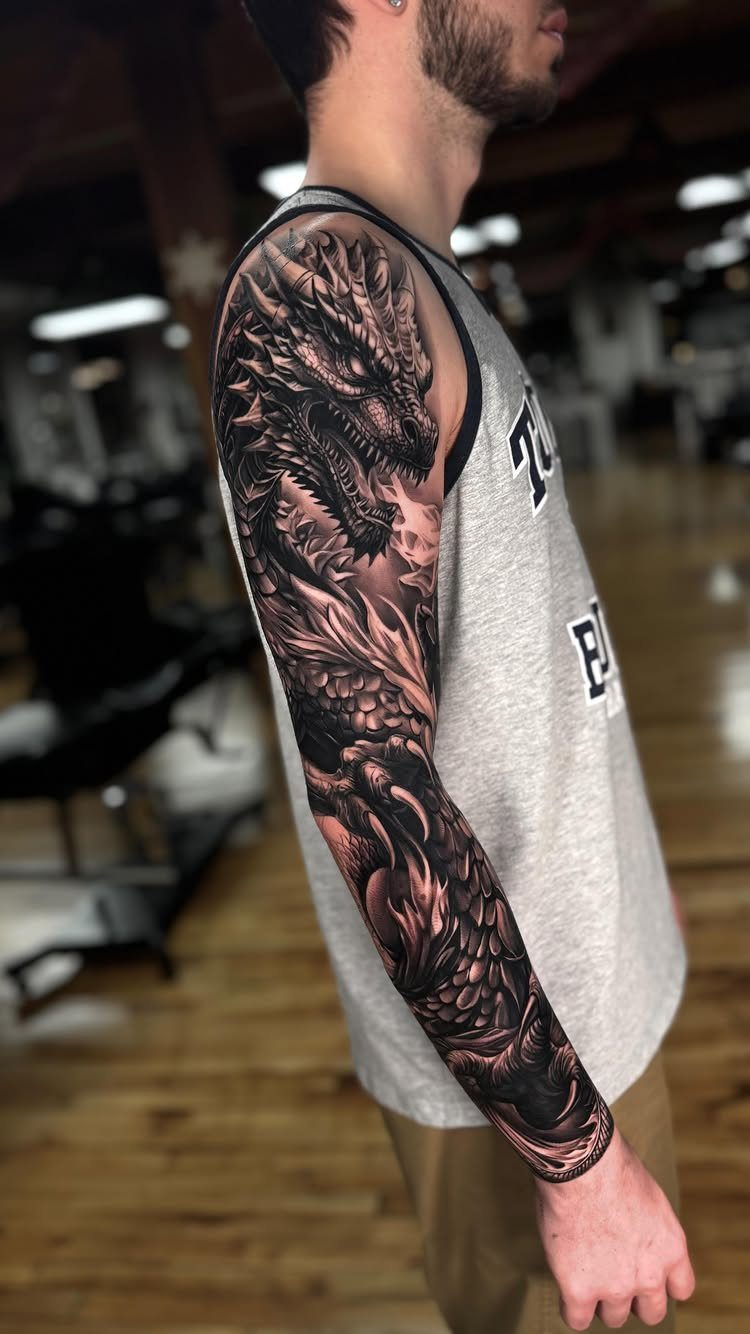
A full sleeve turns your arm into a single canvas that reads as one artwork from shoulder to wrist.
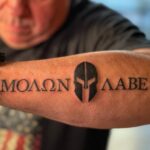
A full sleeve works best when the design follows the arm’s muscles and joints; black-and-gray shading can tie the pieces together so the whole arm reads as one continuous story.
Japanese traditional imagery, memorial symbols, or nature themes all work if they share a palette and style. Plan for the future: leave room near the elbow or wrist if you might extend into a chest piece or second sleeve later.
A disconnected collection of random tattoos will not read as a sleeve, so commit to one artist for the whole project or risk a patchwork look.
This suits someone patient enough for multiple sessions and certain about visibility. Long sleeves become mandatory in most offices, which is worth planning for before you commit.
14. Face Tattoos
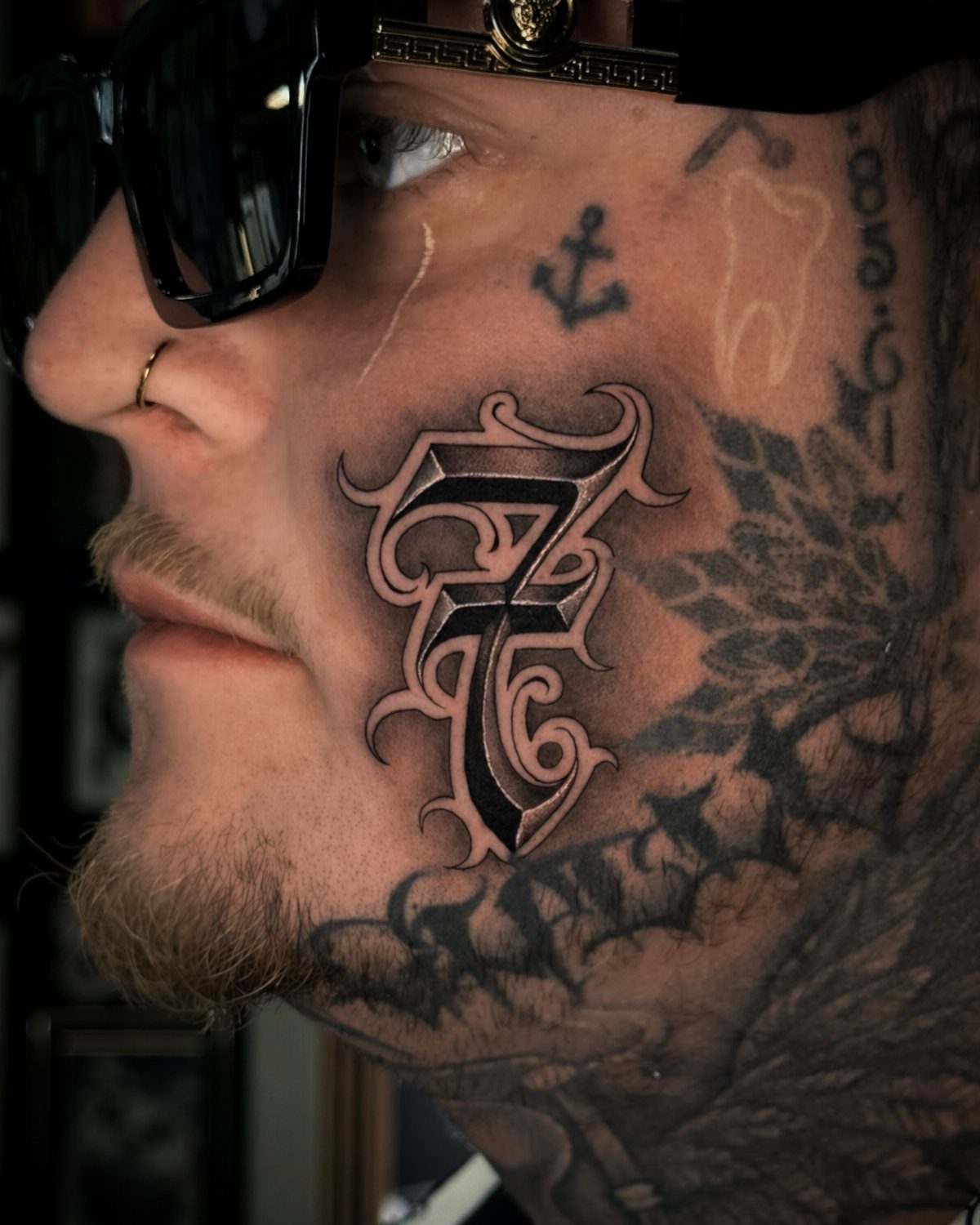
Face tattoos sit at the extreme end of commitment, the kind of choice that alters how you’re seen before you speak.
Face tattoos sit in the open; there is no rolling down a sleeve or choosing a different neckline to hide them.
A face or figure on the cheek should turn inward, toward the nose, rather than staring off the side of the head. Placement near the eye or temple ages faster than the jaw, since skin there moves more with expression.
This is for people already deep in tattoo culture who have accepted the social cost. If you are not certain, start with neck or hand work and live with that visibility first.
Pain Levels
Pain follows anatomy more than personality. Areas with thick skin and muscle padding, like the outer thigh, calf, outer forearm, and outer shoulder, usually produce that dull scratching sensation people compare to a cat scratch rather than anything sharp.
The inner bicep, center of the upper back, and front of the thigh step up to a noticeable pinch because the skin is softer and the nerve clusters denser.
The real test comes where bone sits almost bare. Ribs, sternum, spine, tops of feet, kneecaps, armpits, and inner thighs transfer every vibration of the machine straight to bone with almost no fat to absorb it.
The spine and ribs in particular collect nerve bundles that make long sessions a mental challenge as much as a physical one.
If you are weighing your first tattoo against your pain tolerance, start on an outer limb and work inward as you learn what your body does under the needle.
Visibility Considerations
Your daily wardrobe decides who sees your ink more than any design choice. Torso, upper thigh, and upper arm placements disappear under a standard shirt and pants without thought.
Forearm, wrist, calf, and neck work demand a decision every morning about whether today is a showing day or a covering day.
Conservative offices still exist, and hand, neck, or face tattoos can close doors before you speak. The foot brings its own visibility problem: not who sees it, but how fast socks and shoes wear the ink down to a blur.
Think through your actual week, not your ideal one. The tattoo that looks perfect at the beach may need hiding for parent-teacher conferences, client dinners, or religious family gatherings.
Placement is the decision you make once; dealing with it is the decision you live with.
Design Size Matching
A design and its placement need to match the way a frame matches a painting. Large, intricate work needs the back or thigh to breathe; squeeze it onto a wrist and the lines crowd together until the image turns muddy.
A tiny minimalist piece, meanwhile, drowns on a broad back or chest, the detail lost in empty skin.
Small tattoos suit the wrist, ankle, or behind the ear where the eye finds them naturally. The orientation matters too: vertical designs follow the calf or rib cage, horizontal ones suit the collarbone or lower back.
Your artist can map the stencil to your actual body before any needle touches skin. That consultation is where you catch a design that will distort around a joint or fade where skin stretches most.
Future Tattoo Planning
Your first tattoo is rarely your last, so leave room for the collection to grow. A shoulder piece can extend down the arm into a half sleeve, then a full sleeve, then across the chest.
A calf anchors a leg that might later include the thigh or ankle. An isolated back piece, perfectly centered, blocks the logical path for a future spine continuation or side panels.
Style consistency matters across years and artists. A sleeve built from random walk-ins reads as a scrapbook, not a story.
Commit to one palette, one genre, or ideally one artist for large connected work, or plan negative space that lets separate pieces breathe without fighting each other.
Consider how aging skin will treat your timeline. The elbow, knee, and inner arm stretch and compress constantly; a design that looks clean at 25 may warp by 45.
Leave the flatter, more stable planes for the fine detail you want to keep crisp, and put the bolder, simpler work where movement lives.
Frequently Asked Questions
What is the best placement for a tattoo?
The best placement depends on three things: how visible you want it to be, how much pain you can handle, and how large or detailed the design is.
A first-timer might start at the ankle or behind the ear for easy concealment, while someone building a larger collection often moves toward the thigh, calf, or shoulder where muscle cushion makes longer sessions tolerable.
Workplace rules still apply; the inner arm, upper back, or rib cage stay hidden under a standard shirt or blazer without any special planning.
What are some cool tattoo ideas for a place?
A design that tracks with muscle and bone tends to look settled, not like it landed in the wrong spot.
A symmetrical mandala or animal face suits the chest’s framed center; vertical florals or jewelry-style work follows the sternum’s narrow taper.
Snakes and floral branches wrap well around the thigh or hip, while tall vertical subjects like redwoods or swords climb the calf naturally.
The knee turns kinetic art into something alive, with an eye that seems to blink as you walk or a frog wrapping the joint.